A “How-to” Wellness Guide for Cold + Flu Season
Cold and Flu Season Knock You Off Track?
Not sure how to return to training safely?
Here’s how to recover fully and get back to peak performance.
EDUCATION: First, it’s important to understand what your body is experiencing and working to recover from. Knowing why certain symptoms occur can help you make smarter decisions about how to support healing and return to activity safely.
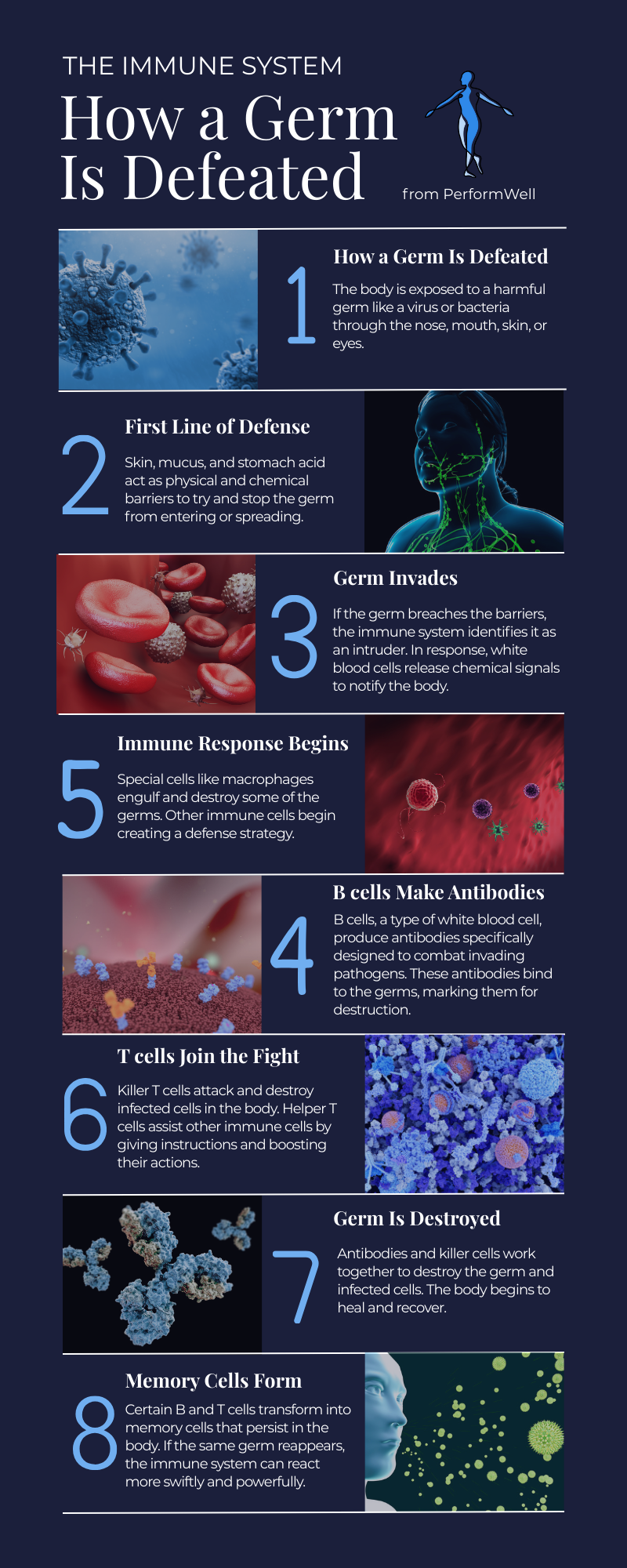
Whether the culprit is a virus, bacteria, or a combination of both, your body recognizes an invader through signaling proteins that activate a rapid immune response. Immune cells mobilize to target the threat, while antibodies are produced to neutralize it and “remember” how to respond if you’re exposed again in the future.
Common symptoms like fever, inflammation, congestion, and mucus production are not setbacks—they’re protective mechanisms designed to slow the spread of illness and help flush it out of your system.
Below, you’ll find science-backed wellness strategies to help you navigate cold and flu season and recover more effectively.
Rest, Hydration and Nutrition 🡪
These three pillars NON-NEGOTIABLE during illness and throughout recovery.
REST
Prioritize sleep to give your immune system the energy it needs to do its job.
💡PerformWell Tip
When resting, try slightly elevating your head with an extra pillow. This can reduce nasal congestion, improve breathing comfort, and promote deeper, more restorative sleep.

HYDRATION
Fluids help regulate body temperature, thin mucus, and support overall recovery. Aim for 10–20 ounces more than your usual daily intake while you’re sick.
💡PerformWell Tip
Water is ideal, but it doesn’t have to be your only option. Herbal teas, broth, and electrolyte drinks can help. Limit caffeine and carbonation, which may irritate a sore throat or upset your stomach.
NUTRITION
Choose foods that are easy to digest while still delivering immune-supporting nutrients.
💡PerformWell Tip
If nausea is an issue, opt for smaller, more frequent meals and consider cold foods to reduce strong smells.
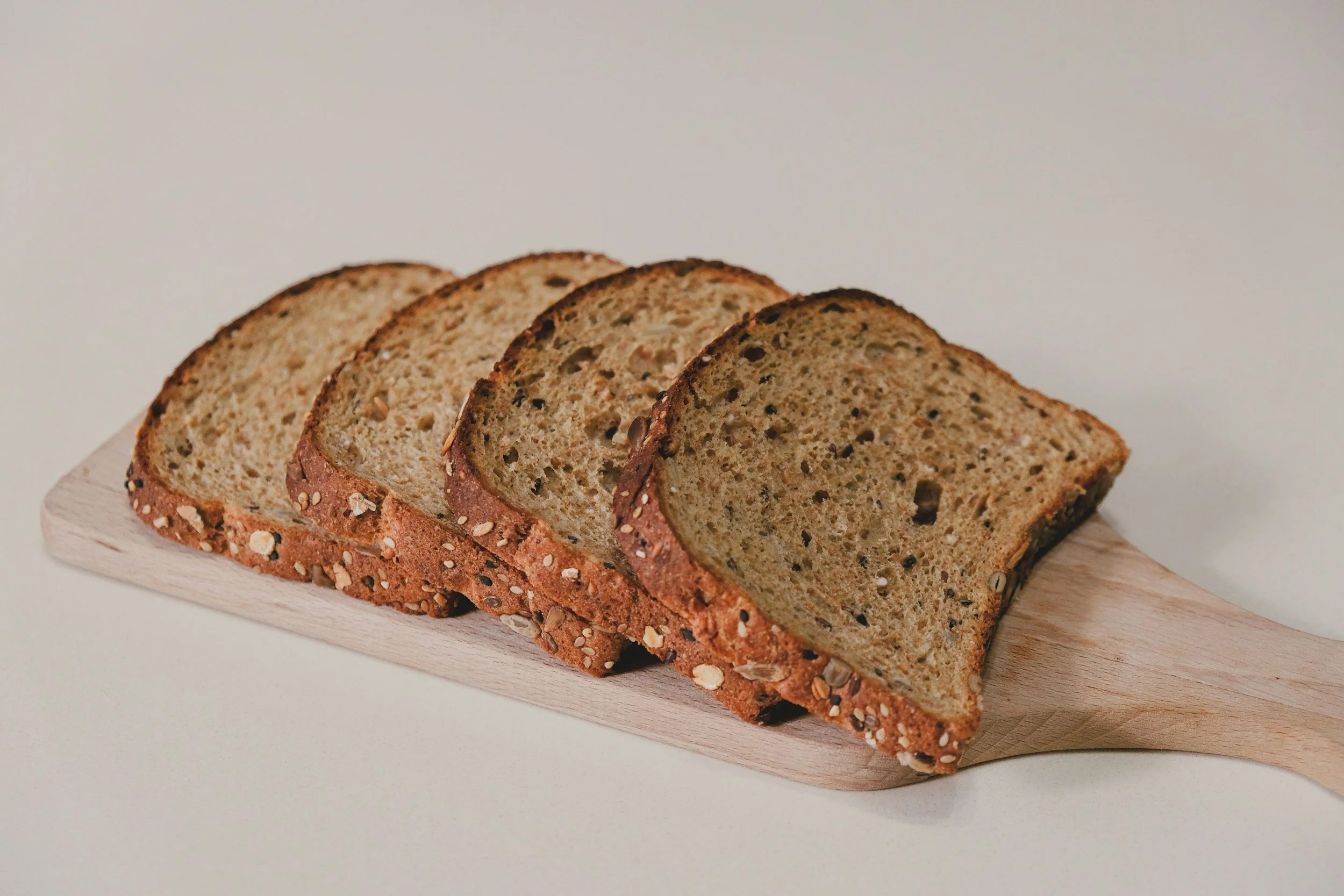
BRAT & Starches: Bananas, white rice, applesauce, toast (BRAT), crackers, pretzels, and noodles.
Soothing Liquids & Foods: Broth-based soups, ginger or peppermint tea, yogurt, popsicles.
Mild Proteins: Boiled chicken, tofu, scrambled eggs.
In Addition, When You are Sick:
GARGLE
Saltwater gargles can soothe sore throats and reduce inflammation. Mix ¼–½ teaspoon of salt in warm water and gargle several times daily.
Why it works: Saltwater raises the pH in your mouth, creating an environment less favorable for viruses and bacteria. It can also draw pathogens out of the throat tissue so they can be expelled.
MOISTURE
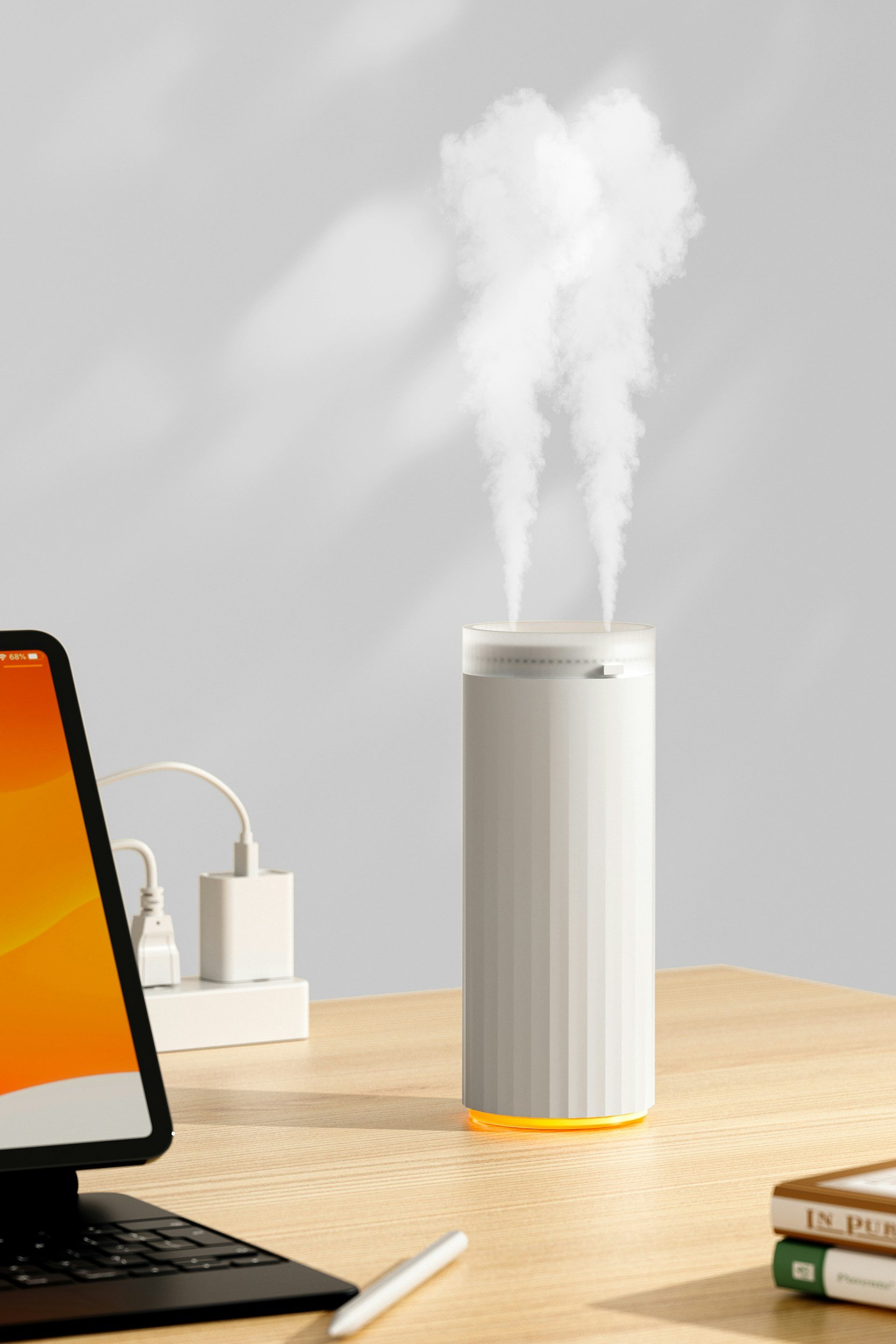
Use a humidifier to add moisture to dry air, which can ease congestion and coughing. Be sure to clean it regularly to prevent mold or bacterial buildup.
MONITOR
Track your symptoms and consult a healthcare provider if they worsen, linger beyond a few days, or feel atypical.
Starting to feel better?
Disinfect High-Touch Surfaces
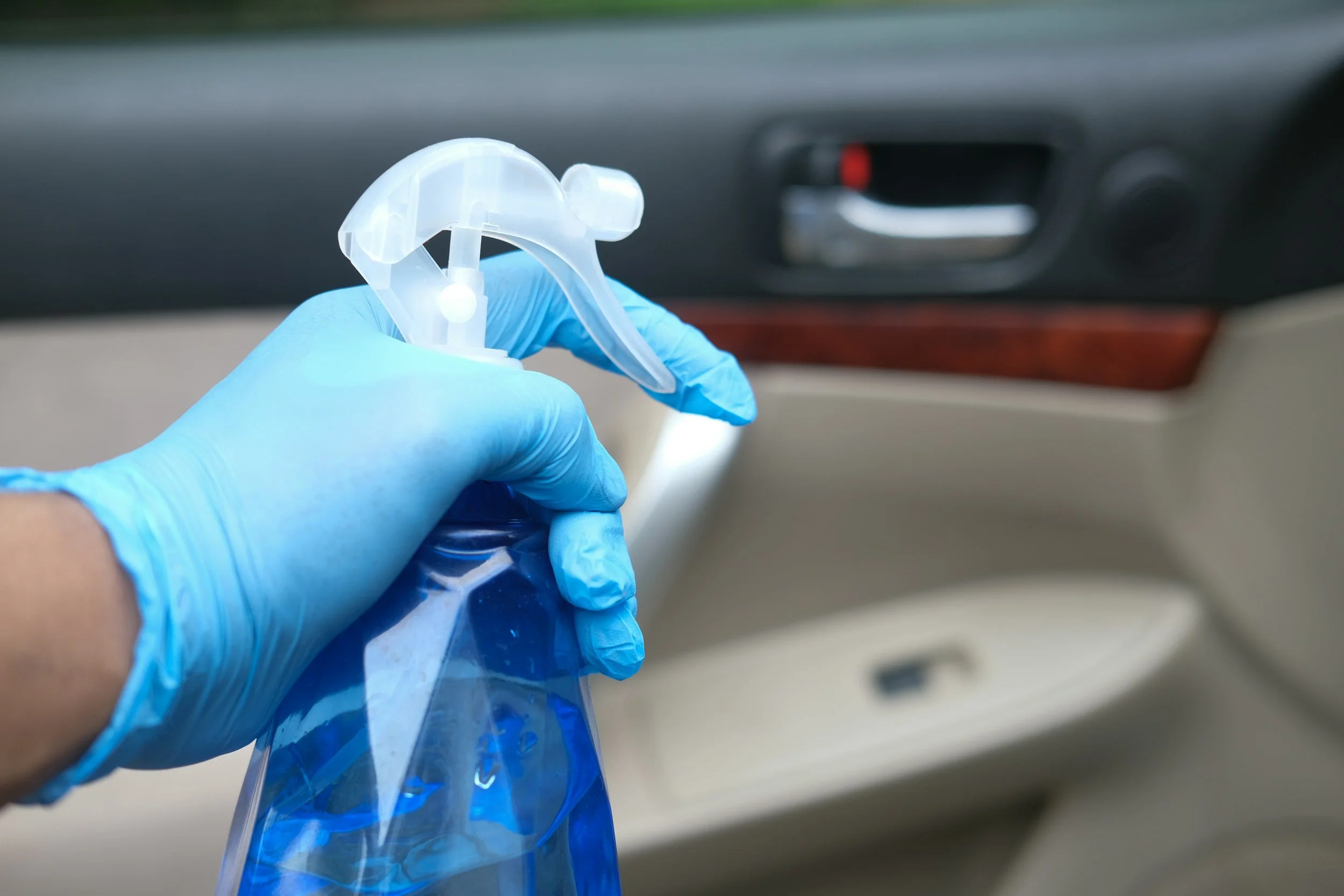
Clean doorknobs, light switches, remotes, keyboards, and phone screens with a disinfectant proven to kill viruses and bacteria.
Wash Bedding and Towels
Launder sheets, pillowcases, blankets, and towels on the hottest safe setting to eliminate lingering germs.
Clean and Sanitize the Bathroom
Focus on faucets, toilet handles, and countertops, and replace hand towels frequently.
Replace or Sanitize Personal Items
Yes—this includes your toothbrush. Replacing it after illness can reduce the risk of reinfection.
Continue Supporting Your Immune System
Maintain a consistent intake of vitamins and nutrient-dense foods as you return to your routine. While supplements can help, the body absorbs vitamins and minerals most effectively through whole foods.
Key immune-supporting nutrients include:
Vitamin C: Bell peppers, citrus fruits, kale
Zinc: Oysters, lean beef, pumpkin seeds, turkey
Vitamin A: Milk, yogurt, eggs, salmon, carrots, sweet potatoes
Vitamin B6: Chickpeas, beef, salmon, tuna, tofu
Vitamin D: Fatty fish, egg yolks, mushrooms, fortified orange juice
Vitamin E: Sunflower seeds, almonds, broccoli, avocado
Selenium: Brazil nuts, tuna, halibut, cottage cheese

Very Light Activity
Before returning to training—especially cardiovascular work—make sure you can handle daily activities without a flare-up in symptoms.
Appropriate early movement includes:
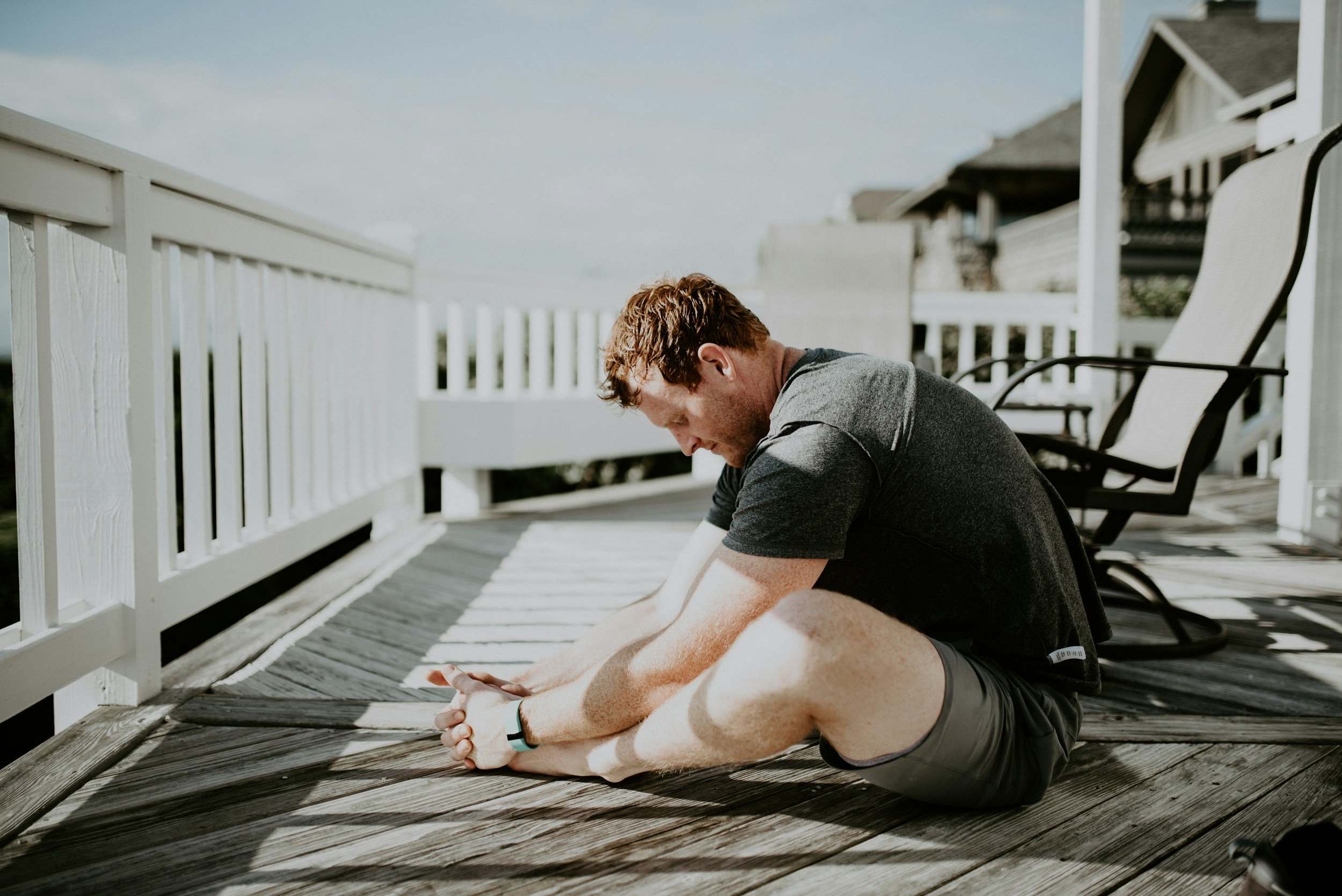
Light stretching
Walking around your house, on a treadmill, or outdoors (weather permitting)
Light stair work or repeated step-ups for gentle strengthening
Can I handle returning to work or school?
If the answer is yes, it may be time to begin thinking about training.
Now we look at training…
Follow the 50 / 40 / 30 / 20 / 10 rule, based on how long illness kept you sidelined. If you were out for more than a couple of weeks, this framework helps prevent setbacks and supports safe reconditioning.
Week 1: 50% of pre-illness volume or intensity
Week 2: 60% (40% less than baseline)
Week 3: 70%
Week 4: 80%
Week 5: 90–100%, as tolerated
Just as you would gradually build mileage or strength in training, returning from illness requires easing your body back into stress. You’re rebuilding capacity while supporting an immune system that’s still adapting.
💡PerformWell tips:
Figure Skaters + Hockey Players
Returning to the rink after a respiratory illness may take extra time. Dry air and rink-related chemicals can exacerbate symptoms, especially for athletes with asthma.
Vocalists + Actors
If illness affects your throat or respiratory system, progress gradually to avoid straining your vocal cords. A healthcare provider or vocal specialist can help guide this return.

Back to full training? Let’s KEEP you healthy!
Vaccinations
With flu strains and other viruses circulating, vaccinations can reduce both illness risk and severity, especially for children, older adults, and those who are immunocompromised.
Vitamins/Supplementation
A consistent multivitamin may provide added support, but consult your primary care provider for personalized recommendations.
Lifestyle Modifications
Continue prioritizing hydration, balanced nutrition, quality sleep, and intentional recovery. Listen to your body—fatigue and stress are signals, not obstacles.
Educate yourself on immune health and prevention strategies, and refer to the infographic below for a quick visual guide.