Navigating Nutcracker and Winter Show Season
Are you a dancer trying to navigate your winter recitals and Nutcracker season? And final exams during this preparation? And the holidays??? With the ramped-up rehearsal schedule comes fatigue, increased injury risk and stress.
Here are some tips/tricks to get you through your rehearsal and show schedule AND help you recover after!
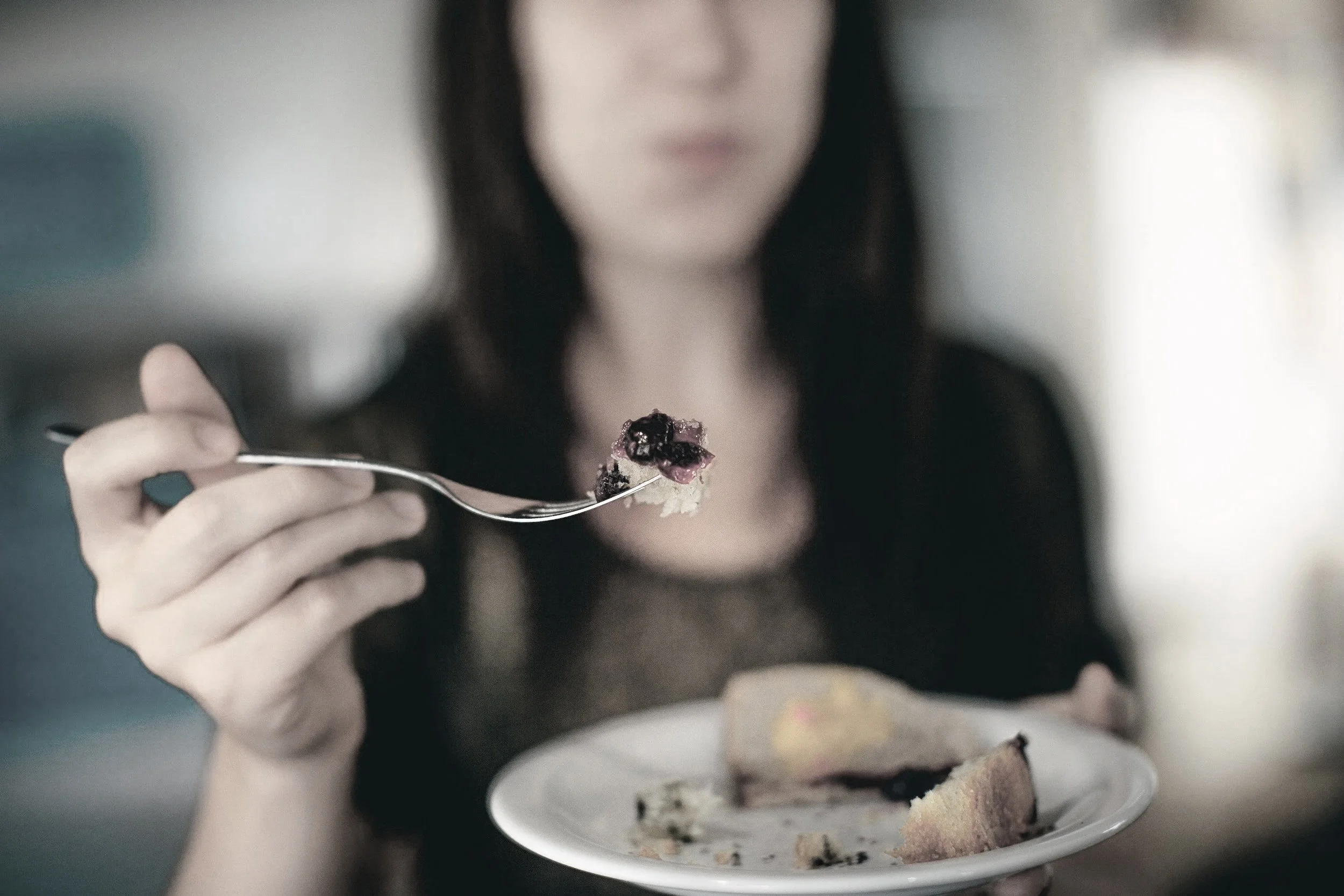
Keep up your Energy:
With a busy practice and performance schedule, staying properly fueled and hydrated can be tough! A few tips--make sure to pack snacks, keep re-filling your water bottle through the day, and make sure to eat before AND after your show to maximize your energy and get ready for the next performance. Here are a couple of videos from my colleague, Sherry Lin, MFA and RDN on tips for dancers.
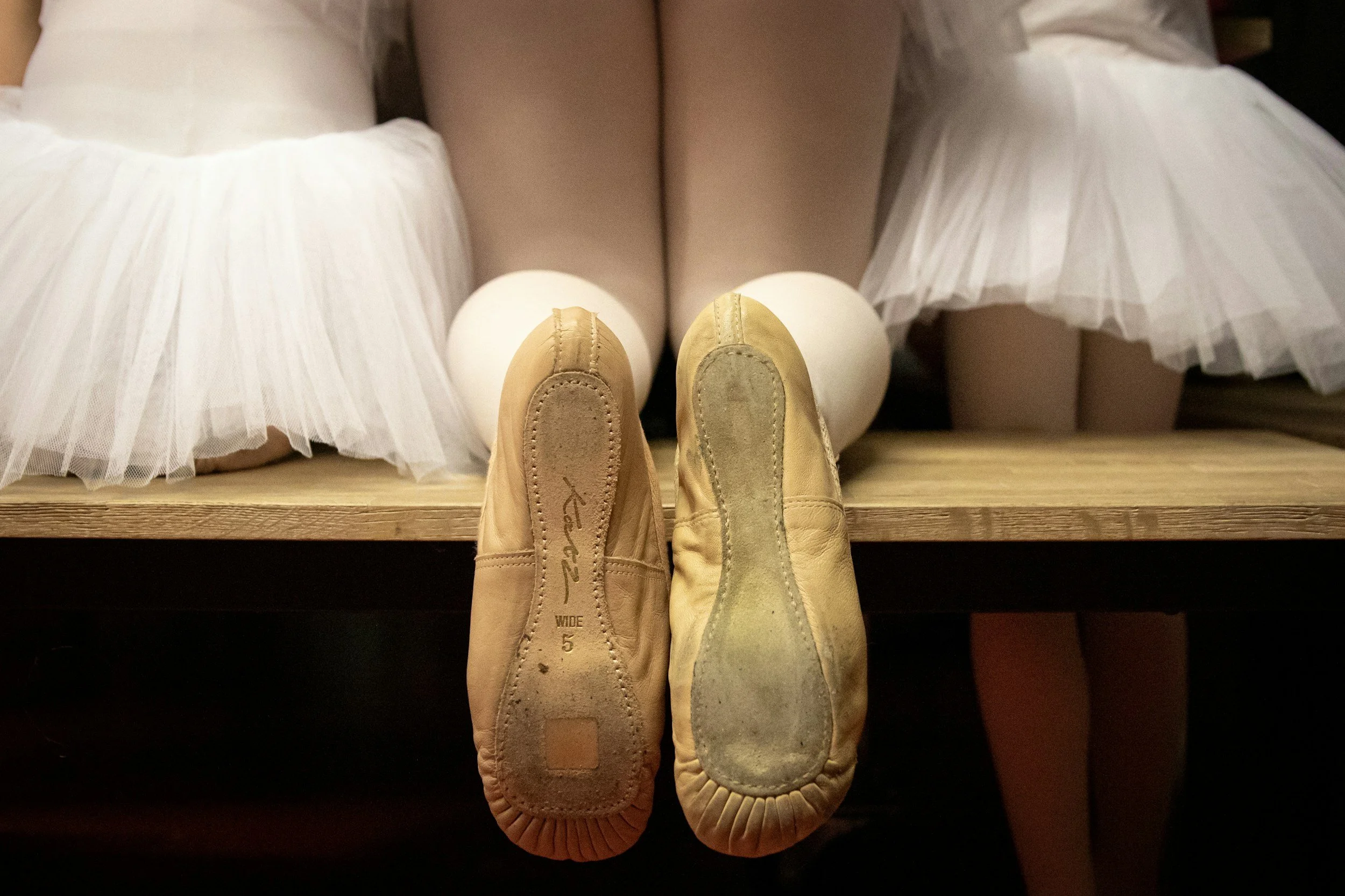
Prepare physically for multiple numbers/roles (and shows):
Start with a good warmup, especially one that focuses on your ankles, feet, and hips/pelvis, can be really helpful in activating muscles needed for pointe work. This should be at least 10 minutes in duration and be comprised of some cardio, general and specific movements (and not just ballet barre). A few of my favorite pre-ballet warmup exercises:
· Hip Controlled Articular Rotations (CARS)
Keep that body warm: This applies throughout the show and between shows. Work in a few reps of your warmup during the show before you go on. If you are not dancing or active for greater than 30 minutes, you may have to do more repetitions of the warmup to prepare the body for the next dance.
Finished the day? Now cooldown! Let’s do some light stretches, focusing on the areas you just worked all day and return those muscles to your resting length, so they can be ready for the next bout of dance! Timing for this would be 20-30 seconds maximum if you have another performance within 24 hours, possibly less if needed. A few of my favorite cooldown exercises:
· Gastrocnemius and Soleus (Calf) Stretches
· Kneeling Prayer/Latissimus Dorsi Stretch
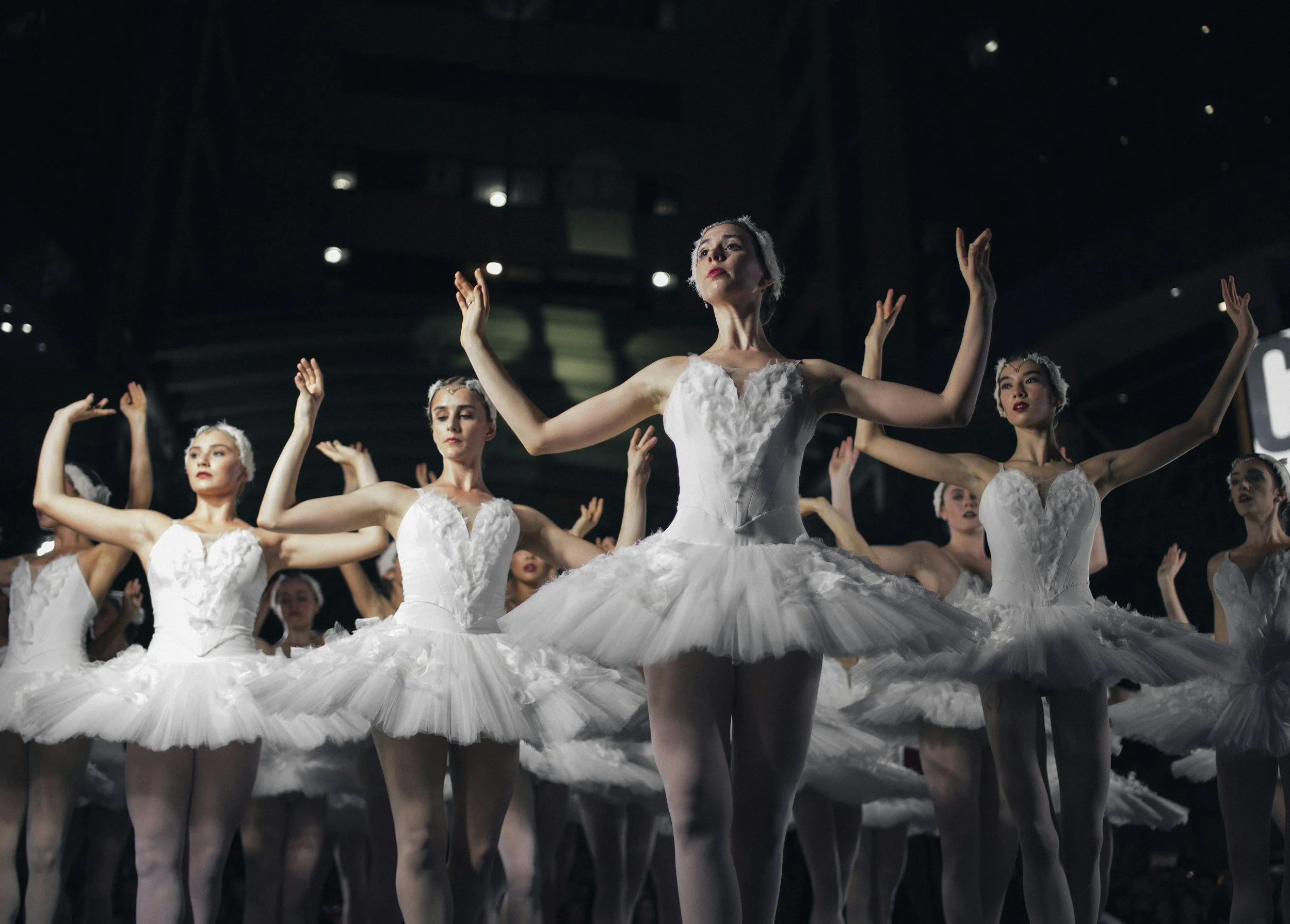
Worry about slipping during Snow?
Snow both inside (the fake stuff) and outside (the real stuff) can make navigating in pointe shoes and regular shoes slippery and increase risk of falls and other injuries. But how can you prepare for the unexpected?
Activate the stabilizers! Here are a few of my favorite exercises:
· Side Lunge to Single leg balance (for quick slips)
· Arch Raises (to activate up the foot)
· Pogo Hops (Quick stretch calf/ankle)
· Deadbugs and Side Plank progressions (Abdominal/Trunk connection)
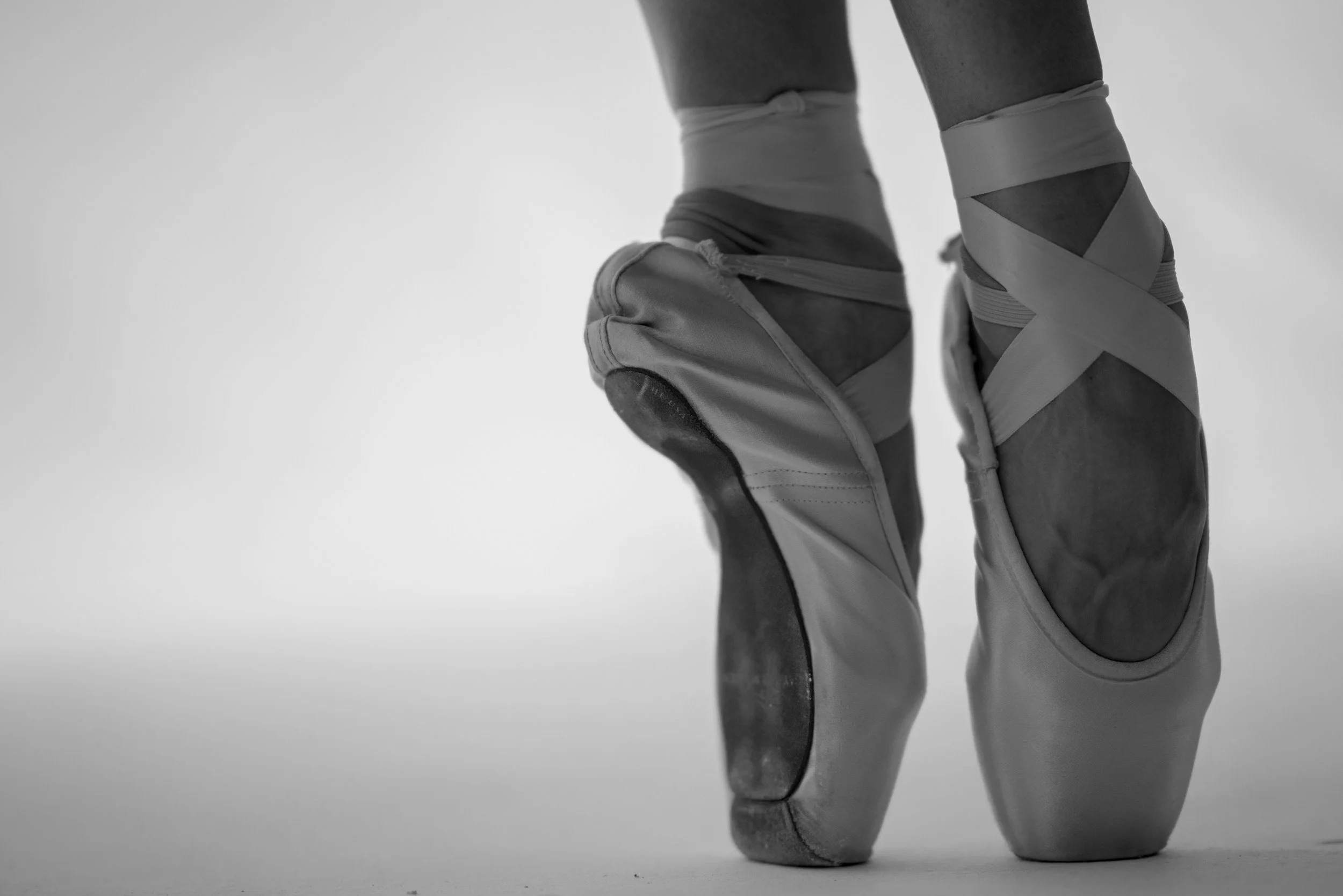
Get your Equipment Ready!
This may be a “next time” tip—but while you are in the thick of rehearsing and shows, it is good practice to have more than one pair ready for shows. JUST IN CASE something happens to that one pair—you have another broken in. This helps with stress, timing, and decreases your injury risk for quickening the process of breaking in a new pair of shoes. Also, you may have different shoes based on the show demands—colors or shank strengths, based on costuming, etc.—that need to be ready for your role. For example, you may want “harder” shoes for Snow, where the dance is longer and requires advanced pointe work, but softer shoes for Tea or the Party scene.
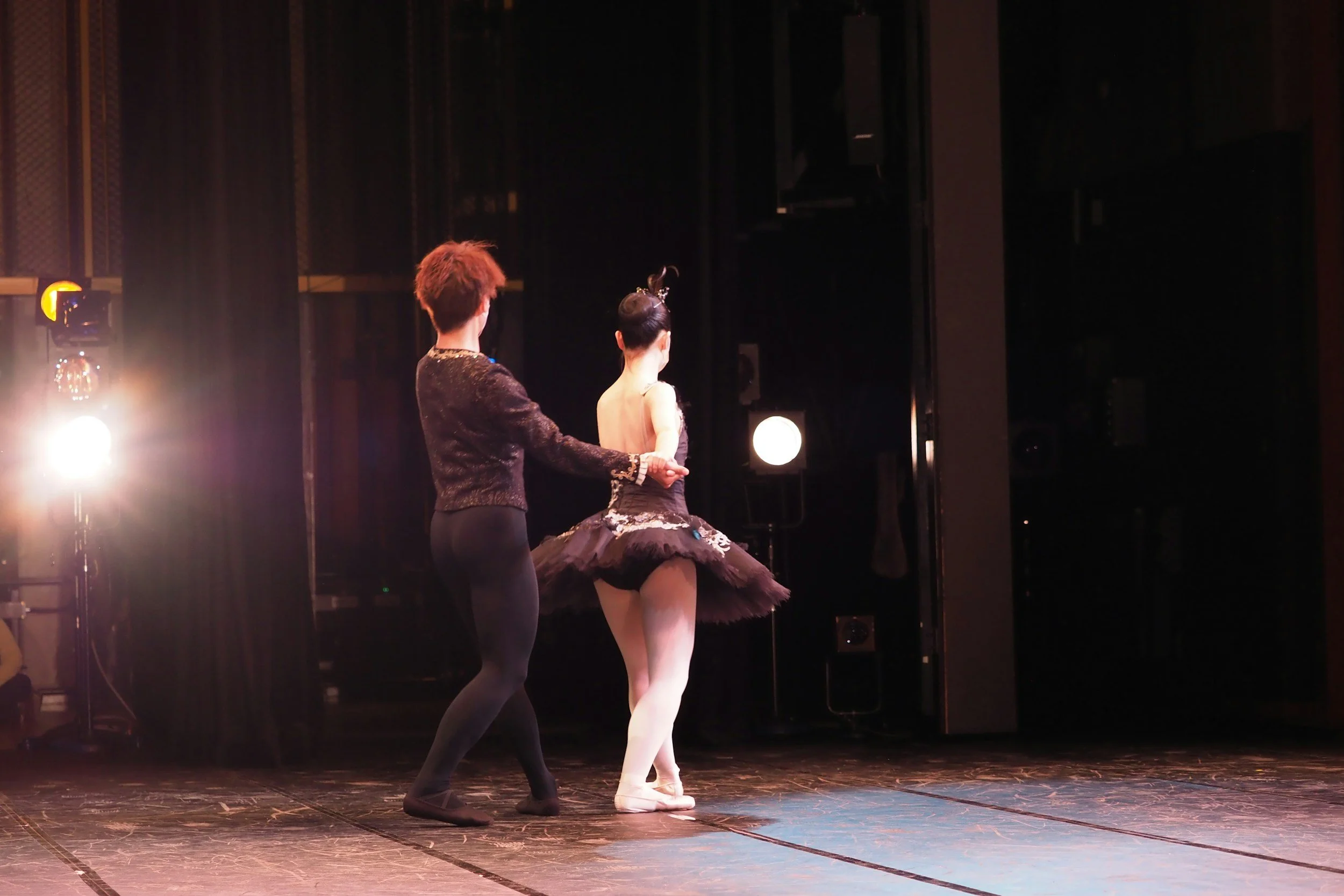
Prepare for Partner work:
Whether you are Clara and the Nutcracker, the Sugar Plum Fairy and Cavalier, or the Arabian Dancers, partner work (and making it look effortless) is a staple in Nutcracker and so many other dance and performing arts disciplines. How can your shoulders and core get ready for this choreography?
Key Warmup/Activation for Partnering:
· Shoulder Controlled Articular Rotations (CARS)
· Light Windmills (max 5-10 lb weight)
· Light Overhead Carry with Marching (max 5-10lb weight)

Get Ready—to Recover?
After that last performance, we get it, you are TIRED. It’s tough to think about what to do NEXT, when your body is exhausted. But prioritizing recovery and taking care of any injuries that may have happened during your rehearsals/performances is key. How do you do this?
Sleep: recommendations for 8-10 hours for teens and early adults, especially when recovering from a grueling schedule.
Hydrate: at least 60oz of water a day, more if needed.
Decrease activity load, but don’t just shut down: light activity, less impact, in supportive shoes and daily if possible.
Make healthcare appointments: Take care of your body and address any ongoing concerns with your provider ASAP.
Take the break! Holiday break is a great time to rest and recover—it is not recommended to fill this time with more camps, intensives, especially if you are working through an injury. Dancers’ schedules have minimal rest breaks and this leads to increased injury risk already—so TAKE THE BREAK now, so your body won’t BREAK later!
Use this info to guide you through practice, performance, and the after—so you are ready for next year and can enter 2026, stronger than before!
Happy Holidays,
Kristen